 |
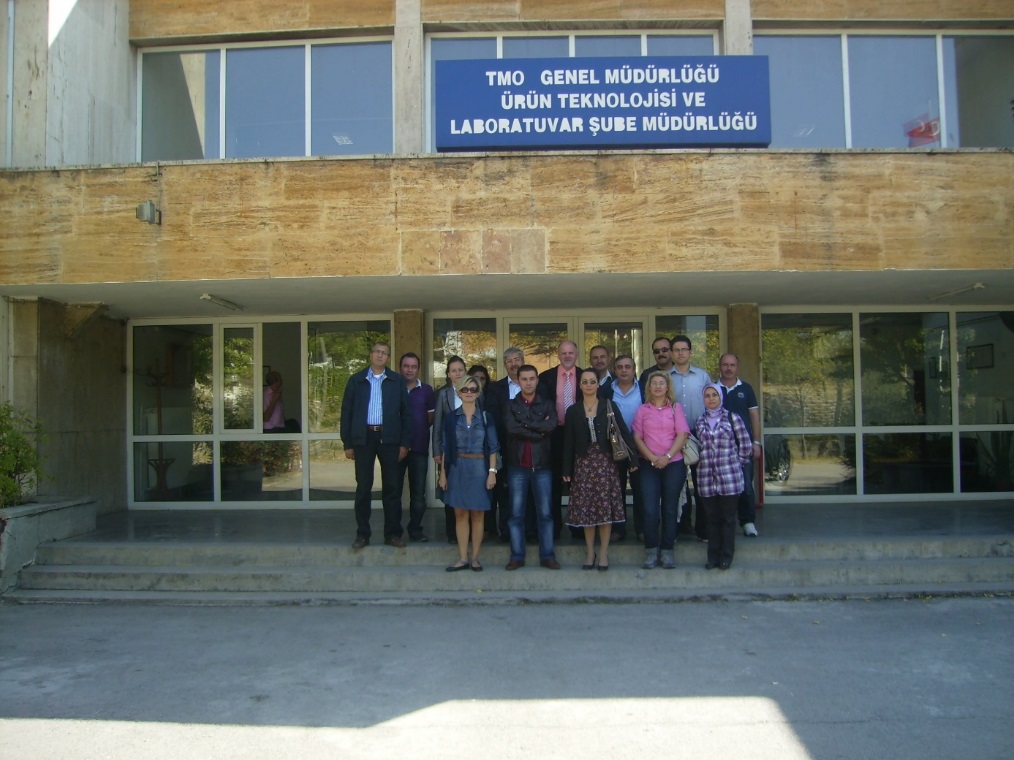
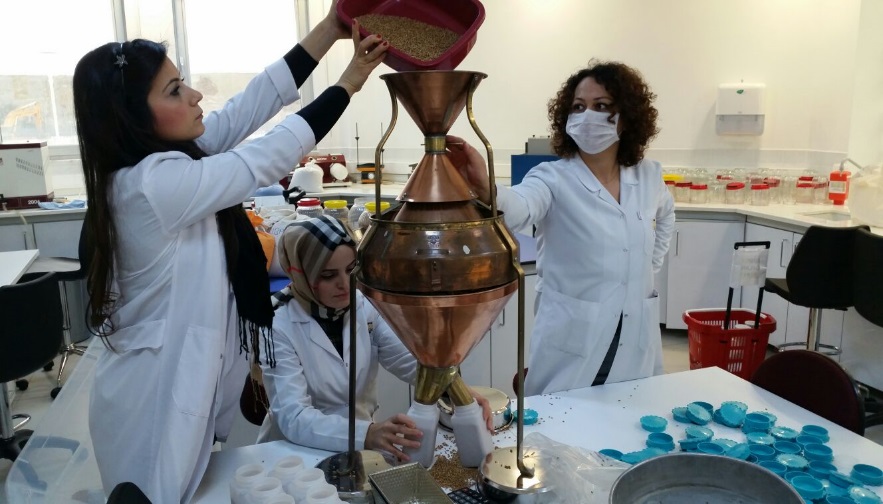
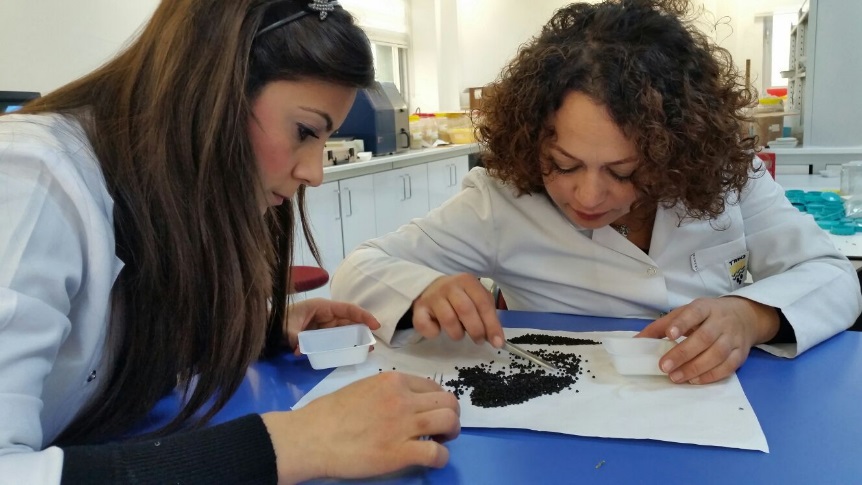
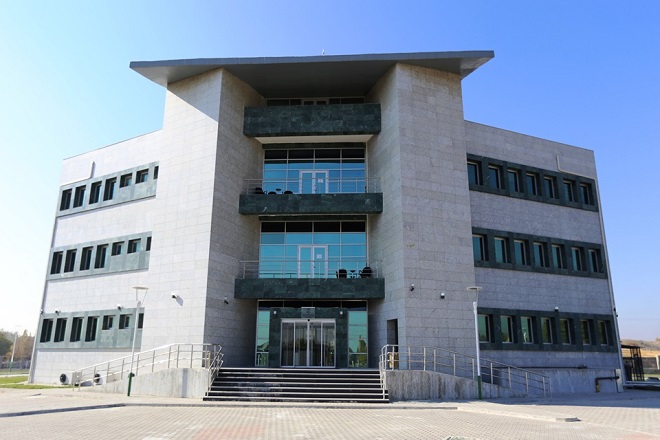
Ürün Teknolojisi ve Laboratuvar Şube Müdürlüğü; buğday piyasalarının düzenlenmesi ve uyuşturucu maddelerle ilgili devlet tekelini yürütmesi amacıyla kurulan Toprak Mahsulleri Ofisi Genel Müdürlüğü’ne (TMO) bağlı bir birimdir. 1950’li yıllarda üniversitelerin ilgili bölümleri ile işbirliği yapılarak sürdürülen laboratuvar hizmetleri sonrasında müstakil yapıya kavuşmuştur. Ürün teknolojisi ve laboratuvar hizmetleri için TMO Merkez teşkilatında “Ürün Teknolojisi ve Laboratuvar Şube Müdürlüğü”nü kuran TMO bugün, Güvercinlik’te bulunan merkez laboratuvarının yanında TMO Başmüdürlükleri bünyesindeki 15 adet laboratuvar ile hizmet vermektedir.
Hali hazırda Laboratuvarımız "TS EN ISO/IEC 17025: Deney ve Kalibrasyon Laboratuvarlarının Yetkinliği İçin Genel Gereklilikler" ve "TS EN ISO/IEC 17043: Uygunluk değerlendirmesi – Yeterlilik deneyi için genel şartlar" standartlarında akreditedir.
Ayrıca; Ürün Teknolojisi ve Laboratuvar Şube Müdürlüğümüz, 5300 sayılı “Tarım Ürünleri Lisanslı Depoculuk Kanunu”nun 12’nci maddesine dayanılarak hazırlanan “Yetkili Sınıflandırıcıların Lisans Alma, Faaliyet ve Denetimi Hakkında Yönetmelik” çerçevesinde, Ticaret Bakanlığı tarafından 18.05.2011 tarihinde "Referans Yetkili Sınıflandırıcı" olarak lisanslandırılmıştır. Bu kapsamda Ticaret Bakanlığına hububat, bakliyat ve yağlı tohumlar ürün gruplarında yetkili sınıflandırıcı lisansı almak veya mevcut lisansını yenilemek için başvuran laboratuvarların denetimi Şube Müdürlüğümüz tarafından yapılmaktadır.
Tarihçe
|
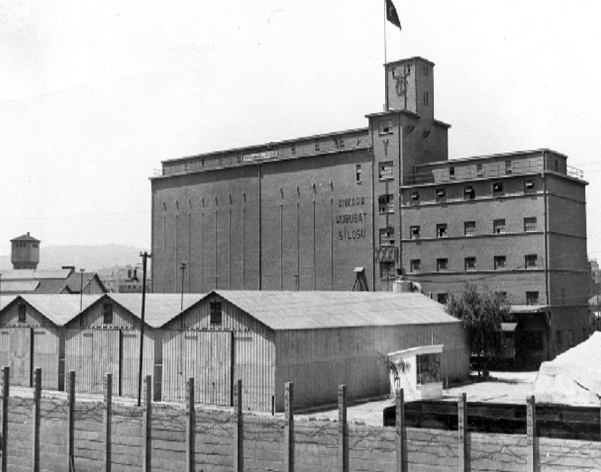
Buğday piyasasının düzenlenmesi ve uyuşturucu maddelerle ilgili devlet tekelini yürütmesi amacıyla 13 Temmuz 1938 yılında kurulan Toprak Mahsulleri Ofisi (TMO), araştırma geliştirme hizmetlerine ilk günden itibaren ağırlık vermiştir. 1950’li yıllarda üniversitelerin ilgili bölümleri ile işbirliği yapılarak sürdürülen laboratuvar hizmetleri 1969 yılında müstakil yapıya kavuşmuştur. Ürün teknolojisi ve laboratuvar hizmetleri için TMO Merkez teşkilatında “Ürün Teknolojisi ve Laboratuvar Şube Müdürlüğü” kuran TMO bugün, Ankara Güvercinlik’te bulunan merkez laboratuvarı ve TMO Başmüdürlükleri bünyesindeki 15 adet laboratuvar ile hizmet vermektedir. İlk olarak TS EN ISO/IEC 17025 standardına göre 2009 yılında 8 deney metodunda akredite olan Ürün Teknolojisi ve Laboratuvar Şube Müdürlüğümüz, akreditasyon süresince uluslararası standartlara uyum konusunda çok büyük mesafeler kat ederek, her geçen gün kalite çıtasını yükseltmiş ve akredite deney sayısını 41’e çıkarmıştır. 2011 yılında Başbakanlık Dış Ticaret Müsteşarlığı ve Türkiye Kalite Derneği (KALDER) tarafından yürütülen, Türkiye'de Kalite Altyapısının Güçlendirilmesi Projesi (TKAG) kapsamında, İsveçli Uzman Dr. Mikael KRYSELL tarafından, Ürün Teknolojisi ve Laboratuvar Şube Müdürlüğümüz personeline, Laboratuvarımızda, ISO 17043 ve ISO 13528 standartları (Referans Materyal/Yeterlilik Test Numunesinin hazırlanması) teorik eğitimi verilmiştir.
|
 |
|
|
|
|
Şube Müdürlüğümüz tarafından 2011 yılında başlanılan TS EN ISO/IEC 17043 standardında akredite olma çalışmaları kapsamında yılda bir defa olmak üzere 2022 yılına kadar toplam 9 kez yeterlilik testi organizasyonu gerçekleştirilmiştir. 2022 yılında da TS EN ISO/IEC 17043 standardında "Yeterlilik Testi Sağlayıcısı" olarak akredite olunmuştur.
2014 yılında 22 katılımcı laboratuvarın katılımıyla
2015 yılında 33 katılımcı laboratuvarın katılımıyla
2016 yılında 43 katılımcı laboratuvarın katılımıyla
2017 yılında 90 katılımcı laboratuvarın katılımıyla
2018 yılında 78 katılımcı laboratuvarın katılımıyla
2019 yılında 117 katılımcı laboratuvarın katılımıyla
2020 yılında 174 katılımcı laboratuvarın katılımıyla
2021 yılında 206 katılımcı laboratuvarın katılımıyla
2022 yılında 240 katılımcı laboratuvarın katılımıyla
2023 yılında 231 katılımcı laboratuvarın katılımıyla
Yeterlilik testi organizasyonu düzenlenmiştir. |
|