
TS EN ISO/IEC 17043: Uygunluk Değerlendirmesi – Yeterlilik Deneyi İçin Genel Şartlar
Şube Müdürlüğümüz tarafından 2011 yılında başlanılan TS EN ISO/IEC 17043 standardında akredite olma çalışmaları kapsamında 8 kez yeterlilik testi organizasyonu gerçekleştirilmiştir. Ülkemizde hububat, baklagiller ve yağlı tohumlarda TS EN ISO/IEC 17043 standardına göre akredite bir yeterlilik test sağlayıcısı mevcut olmadığından tüm laboratuvarlar yurt dışındaki yeterlilik testi organizasyonlarına katılım sağlamaktadır. Bu durum ülkemiz adına ciddi bir ekonomik kayba yol açmaktadır.
Laboratuvarımızın düzenlediği yeterlilik testi organizasyonlarının uluslararası ve ulusal alanda kabul görmesi ve onaylanması için TS EN ISO/IEC 17043 standardına göre TÜRKAK tarafından akredite edilmesi bir gereklilik hâlini almıştır.
Bu nedenle TS EN ISO/IEC 17043 akreditasyonu için laboratuvarımız tüm hazırlıklarını tamamlayarak 2021 yılında TÜRKAK'a başvurmuş ve 2022 yılında akredite olmuştur.
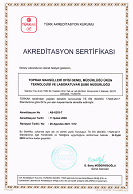
Laboratuvarımız; TS EN ISO/IEC 17043 standardına göre Türk Akreditasyon Kurumu (TÜRKAK) tarafından,
Tahıllar
- Sağlam Hububatın Dışındaki Maddeler Tayini
- Kusurlu Taneler Tayini
- Diğer Muhtelif Maddeler Tayini
- Hektolitre Ağırlığı Tayini
- Otomatik Ölçüm Cihazı ile Hektolitre Ağırlığı Tayini
- Protein Tayini NIR Metodu
- Rutubet Tayini NIR Metodu
Tahıllar, Buğday Unu
- Protein Tayini
- Rutubet Tayini
- Yaş Gluten Tayini
- Kuru Gluten Tayini
- Gluten İndeks Tayini
- Düşme Sayısı Tayini
- Sedimentasyon Endeksi Tayini
- Beklemeli (Modifiye) Sedimentasyon Endeksi Tayini
- Kül Tayini
Ekmeklik Buğday
- Sertlik Tayini
Ekmeklik Buğday ve Ekmeklik Buğday Unu
- Zedelenmiş Nişasta
- Farinograf Analizleri (Su Kaldırma, Gelişme Süresi, Stabilite, Yumuşama Derecesi)
- Alveograf Analizleri (P (Maksimum basınç parametresi), L (Yırtılmadaki ortalama apsis ),G (Şişme endeksi), I ₑ (Elastikiyet indeksi),P/L (Eğri konfigürasyon oranı), W (Deformasyon enerjisi)
- Ekstensograf Analizleri (Enerji (45 dk, 90 dk ve 135 dk sonra), R50, Sabit Deformasyondaki Direnç (50 mm'de) (45 dk, 90 dk ve 135 dk sonra), E, Uzama Yeteneği (45 dk, 90 dk ve 135 dk sonra), Rm, Maksimum Direnç (45 dk, 90 dk ve 135 dk sonra)
Çeltik
- Sağlam Hububatın Dışındaki Maddeler Tayini
- Kusurlu Taneler Tayini
- Diğer Muhtelif Maddeler Tayini
- Randıman Tayini
Nohut
- Hızlı Yöntem Rutubet Tayini
- Rutubet Tayini
- Yabancı Madde Tayini
- Bozuk Tane Tayini
- Kırık Tane Tayini
- Kalbur Altı Tayini
- Keçi ve Piç Tane Tayini
- Diğer Tip Karışımı Tayini
- Renk Karışımı Tayini
- Tane İriliği Tayini (9 mm ve Üzeri, 8 mm ve Altı)
Ayçiçeği Çekirdeği
- NMR analizleri: (Rutubet, Yağ)
- Rutubet
- Yağ
- Yabancı Madde
- Bozuk dane
- Boş dane
- Kabuksuz tohum
deneylerinde Yeterlilik Testi Sağlayıcısı olarak akreditedir. Güncel akreditasyon kapsamımıza aşağıdaki linkten erişebilirsiniz.
| TS EN ISO/IEC 17043 Akreditasyon Sertifikası ve Kapsamı |
 |
TS EN ISO/IEC 17025: Deney ve Kalibrasyon Laboratuvarlarının Yetkinliği İçin Genel Gereklilikler
İlk olarak 2009 yılında 8 deney metodunda akredite olan Ürün Teknolojisi ve Laboratuvar Şube Müdürlüğümüz, akreditasyon süresince uluslararası standartlara uyum konusunda çok büyük mesafeler kat ederek, her geçen gün kalite çıtasını yükseltmiş ve akredite deney sayısını 37’ye çıkarmıştır.

Laboratuvarımız; TS EN ISO/IEC 17025 standardına göre Türk Akreditasyon Kurumu (TÜRKAK) tarafından,
- 2009 yılında alveograf, hektolitre, rutubet, kül, ham protein, sedimantasyon, yaş gluten, düşme sayısı analizlerinde,
- 2011 yılında hububatın, çeltiğin ve pirincin fiziksel analizlerinde,
- 2013 yılında farinograf, ekstensograf, aflatoksin, yağ tayini ve zedelenmiş nişasta analizlerinde,
- 2016 yılında kuru gluten, gluten indeks, beklemeli sedimantasyon endeksi ve yağlı tohumlarda yabancı madde analizlerinde,
- 2019 yılında NIR-protein, NIR-rutubet analizlerinde,
- 2021 yılında nohut fiziksel analiz, buğday sertlik, kabuklu fındık, iç fındık, buğday unu asitlik tayini analizlerinde,
- 2023 yılında rutubet tayini (hızlı yöntem-dielektrik metot), rutubet tayini (NMR), yağ tayini (NMR), bin dane ağırlığı tayini analizlerinde,
olmak üzere toplam 41 deney metodunda akredite edilmiştir. Güncel akreditasyon kapsamımıza aşağıdaki linkten erişebilirsiniz.
| TS EN ISO/IEC 17025 Akreditasyon Sertifikası ve Kapsamı |
|
Yeterlilik testlerine katılım akreditasyonun şartı olduğundan Şube Müdürlüğümüz; tahıllarda fiziksel, kimyasal, fizikokimyasal, reolojik ve enstrümantal analizlerde, bakliyatlarda fiziksel ve kimyasal analizlerde yeterlilik testi organizatörü Fransız Bipea firmasının 215 laboratuvarın katılımıyla uluslararası düzenlemiş olduğu yeterlilik testlerine yılın 10 ayında katılım sağlamaktadır.
Referans Yetkili Sınıflandırıcılık
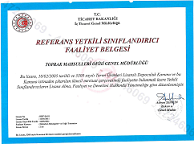
Şube Müdürlüğümüz, 5300 Sayılı Lisanslı Depoculuk Kanunu kapsamında 2011 tarihinde Gümrük ve Ticaret Bakanlığı tarafından “Hububatlar, baklagiller ve yağlı tohumlar” ürün gruplarında “Referans Yetkili Sınıflandırıcı Lisansı” ile lisanslandırılmıştır. Bu lisans ile “Lisanslı Depoculuk Kanunu” kapsamında “Yetkili Sınıflandırıcı Lisansı” almak isteyen borsa ve şirket laboratuvarlarını denetleme görevini üstlenmiştir. Bu görev kapsamında laboratuvarımız Yetkili Sınıflandırıcı laboratuvarlarını yılda iki kez denetlemektedir. Bu denetimlerden birisi yetkili sınıflandırıcı laboratuvarlarına bizzat giderek yerinde denetim, diğeri ise laboratuvarımızda hazırlanarak analizi yapılan test numunelerinin, yetkili sınıflandırıcı laboratuvarlarına gönderilmesi ve analizlerin bu laboratuvarlar tarafından yapılarak sonuçlarınınım belirli bir süre içinde laboratuvarımıza gönderilmesi esasına dayanan YT (Yeterlilik Testi) organizasyonudur.
| Referans Yetkili Sınıflandırıcı Faaliyet Belgesi |
 |
Aralık 2025 tarihi itibari ile lisans alan Yetkili Sınıflandırıcı laboratuvar sayısı 376'ya ulaşmıştır. Ülkemizde Lisanslı Depoculuk faaliyetleri hızla yaygınlaşmaktadır. Laboratuvarımız Referans Yetkili Sınıflandırıcı olarak kilit konumundadır.